Staying Active and Healthy in Your Golden Years
As we get older, our bodies experience a multitude of alterations. Our metabolism slows down, our muscles weaken, and we may develop health conditions limiting our mobility. However, there is always time to start exercising and caring for your body. Fitness for older adults is crucial for maintaining good health and quality of life. In this article, we’ll explore the benefits of exercise for seniors and some of the best workouts for older adults.
The Benefits of Exercise for Older Adults
Regular exercise has numerous benefits for people of all ages, but it’s especially important for older adults. Here are some of the ways that exercise can improve the health and well-being of seniors:
- Improves cardiovascular health: Exercise helps to strengthen the heart and improve blood circulation, reducing the risk of heart disease and stroke.
- Builds muscle strength and endurance: Our muscles weaken and lose mass as we age. Strength training exercises help to build muscle and improve mobility.
- Boosts mood and mental health: Exercise has been shown to improve mood and reduce the risk of depression and anxiety.
- Improves bone density: Weight-bearing exercises like walking and jogging can help to improve bone density and reduce the risk of osteoporosis.
- Reduces the risk of falls: Regular exercise can improve balance and coordination, reducing the risk of falls and injuries.
Best Workouts for Older Adults
- Strolling: Strolling is a gentle exercise with minimal impact and can be performed anywhere. It’s a great way to get fresh air and improve cardiovascular health.
- Aquatic exercise: An aquatic exercise is a form of low-impact workout that’s gentle on the joints. It’s a great way to build strength and endurance without putting too much strain on the body.
- Yoga is a gentle exercise that can improve flexibility, balance, and mental health. It’s a great way to reduce stress and improve overall well-being.
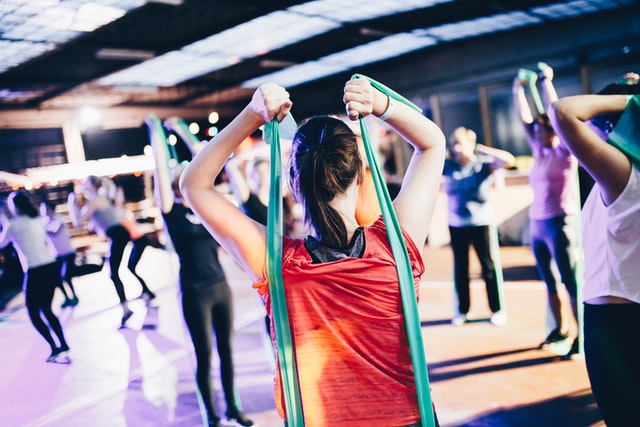
- Resistance training: Resistance training exercises like lifting weights or using resistance bands can help to build muscle and improve bone density. It’s important to start with light weights and gradually increase the intensity to avoid injury.
- Tai Chi: Tai Chi is a kind of physical activity that comprises slow, gentle motions and deep respiration. It’s a great way to improve balance, flexibility, and mental well-being.
Tips for Getting Started
f you need to become more experienced with physical activity or have been inactive for a prolonged time, it’s vital to begin slowly and progressively amplifying the intensity of your workouts. Below are some pointers to aid you in initiating:
- Please seek advice from your physician: It’s essential to seek guidance before initiating any novel exercise regimen to ensure its safety for you.
- Start with low-impact exercises: Low-impact exercises like walking, swimming, and yoga are great for older adults because they’re easy on the joints.
- Warm up before exercising: Before starting your workout, warm up your muscles with some gentle stretching.
- Use proper form: When doing strength training exercises, it’s important to use proper form to avoid injury. Consider working with a personal trainer or physical therapist to ensure you’re using the correct technique.
- Listen to your body: It’s important to listen to your body and stop exercising if you experience pain or discomfort. Taking a break and resting is better than pushing through the pain and risk of injury.
Conclusion
Staying active and maintaining a regular exercise routine are important for older adults. Exercise can help to improve cardiovascular health, build muscle strength and endurance, boost mood and mental health, improve bone density, and reduce the risk of falls. Walking, swimming, yoga, resistance training, and Tai Chi are all great workouts for seniors.
Age-Proof Fitness: Why Camping is the Best Exercise for Older Adults
As we age, the most effective fitness activities are those that build strength, balance, and cardiovascular health without the joint stress of high-impact training. Trail hiking delivers all three simultaneously, making it the single most comprehensive fitness activity available to older adults. The lateral stability demands of uneven terrain build proprioceptive strength that dramatically reduces falls risk ??? one of the leading causes of serious injury in adults over 65. A twice-weekly trail hike combined with simple camp-based bodyweight exercises represents a complete, evidence-based fitness programme for ageing well. The social component of camping for older adults is equally valuable. Group camping trips and guided hiking clubs provide the community connection that research consistently identifies as one of the strongest predictors of healthy ageing. The sense of adventure and accomplishment that comes from reaching a scenic viewpoint does not diminish with age ??? if anything, it becomes more profound. We have reviewed the best senior-friendly hiking and camping gear, including trekking poles, supportive footwear, and lightweight camp chairs that make outdoor life accessible and comfortable at any age. Furthermore, time in nature has well-documented cognitive benefits for older adults, reducing dementia risk markers and improving mood and memory function. The combination of physical exercise, social connection, and natural stimulation in a camping environment creates a comprehensive “brain health” protocol. Explore our Active Ageing in Nature guide for age-specific trail recommendations and camp fitness routines designed for the over-60 adventurer.